Embark on your home improvement journey with the comprehensive Inaugural Home Improvement Checklist: Everything You Need Before Renovation. This guide is your roadmap to a successful renovation project, covering all essential aspects from research and planning to post-renovation maintenance. Dive in and discover the key steps to elevate your home to new heights.
Whether you're a seasoned renovator or a first-time homeowner, this checklist will equip you with the knowledge and tools necessary to navigate the renovation process with confidence and efficiency. Let's explore what it takes to transform your living space into your dream home.
Research and Planning
When it comes to embarking on a home renovation project, thorough research and planning are essential components that can ultimately determine the success of your endeavor. By investing time in these initial stages, you can save yourself from costly mistakes and ensure a smoother renovation process overall.
Importance of Research
Before diving into any renovation project, it is crucial to conduct comprehensive research. This involves gathering information on the latest trends, best practices, and potential challenges that may arise during the renovation process. By understanding the scope of your project and having a clear vision of your desired outcome, you can make informed decisions and avoid any unexpected surprises along the way.
Key Factors to Consider
During the planning stage, there are several key factors that you should take into consideration. These include assessing the structural integrity of your home, obtaining necessary permits and approvals, selecting reputable contractors and suppliers, and creating a detailed timeline for the renovation.
By addressing these factors early on, you can streamline the renovation process and ensure that everything runs smoothly from start to finish.
Setting a Budget and Timeline
One of the most critical aspects of planning a home renovation is setting a realistic budget and timeline for the project. Establishing a budget will help you prioritize your expenses and avoid overspending, while creating a timeline will ensure that the renovation stays on track and is completed in a timely manner.
By carefully planning out these financial and scheduling aspects, you can prevent delays, cost overruns, and other potential setbacks that may arise during the renovation process.
Home Assessment
Before embarking on a renovation project, it is crucial to conduct a thorough assessment of your home to identify potential issues and plan accordingly.
Areas to Inspect
- Roof: Check for any signs of damage, leaks, or missing shingles.
- Foundation: Look for cracks, moisture, or any structural issues.
- Plumbing: Inspect for leaks, water pressure problems, or outdated pipes.
- Electrical System: Ensure wiring is up to code, check for faulty outlets, and consider upgrades if needed.
- Windows and Doors: Check for drafts, proper sealing, and functionality.
Importance of Hiring Professionals
While you may be tempted to assess your home on your own, hiring professionals for a thorough inspection can provide valuable insights and ensure that no issues are overlooked.
Necessary Permits and Regulations
Obtaining permits for home renovations is crucial to ensure that the work being done is safe, up to code, and legal. Failure to obtain the necessary permits can result in fines, delays, or even having to undo the work that has been completed.
When embarking on a home improvement project, it is important to be aware of the common permits required for different types of renovations. Understanding these permits and regulations will help you avoid any potential issues down the line.
Common Permits Required for Home Improvements
- Building Permit: Typically required for structural changes, additions, or major renovations to your home.
- Electrical Permit: Needed for any electrical work, such as installing new outlets, wiring, or upgrading your electrical panel.
- Plumbing Permit: Required for any plumbing work, including installing new pipes, fixtures, or water heaters.
- Demolition Permit: If you plan to demolish any part of your home, a permit is necessary to ensure it is done safely and in compliance with regulations.
Ensuring Compliance with Local Building Regulations
To ensure compliance with local building regulations, it is essential to research and understand the specific requirements in your area. This may include zoning laws, setback regulations, height restrictions, and other building codes that need to be followed.
Working with a licensed contractor who is familiar with local regulations can help ensure that your renovation project meets all the necessary requirements. Additionally, scheduling inspections throughout the renovation process can help verify that the work is being done correctly and in accordance with the permits obtained.
Design and Style Selection
When it comes to renovating your home, choosing the right design and style is crucial to achieving the look and feel you desire. It's essential to consider your preferences, lifestyle, and the overall aesthetics you want to create in your living space.
Selecting Materials, Colors, and Finishes
- Consider the durability and maintenance requirements of different materials before making a choice. For example, hardwood floors may be more durable but require more upkeep compared to laminate flooring.
- Choose colors that complement each other and create a cohesive look throughout the house. You can use color palettes or consult with a professional designer for guidance.
- Select finishes that enhance the overall design style you're aiming for. Whether it's matte, glossy, or textured finishes, make sure they align with the rest of the design elements in the space.
Creating a Cohesive Design Plan
It's important to have a cohesive design plan that ties all the elements of your home renovation together seamlessly. This involves considering how each room flows into the next and ensuring that the design elements complement each other.
By creating a cohesive design plan, you can achieve a unified look and feel throughout your home, enhancing the overall aesthetic appeal.
Budgeting and Financing

When it comes to renovating your home, budgeting and financing are crucial aspects to consider. Creating a comprehensive budget and exploring different financing options can help you undertake your home improvement project effectively without breaking the bank.
Creating a Comprehensive Budget
To create a comprehensive budget for your renovation project, start by outlining all the necessary expenses. Consider costs for materials, labor, permits, and any unexpected expenses that may arise. It's important to set aside a contingency fund for any unforeseen circumstances.
Research the average costs for similar projects in your area to get a realistic estimate. Use a spreadsheet or budgeting tool to track expenses and stay within your budget.
Different Financing Options
There are various financing options available for home improvements, depending on your financial situation. You can consider home equity loans, personal loans, or even credit cards. Each option has its own pros and cons, so it's essential to choose the one that best fits your needs and financial goals.
Explore interest rates, repayment terms, and fees associated with each financing option before making a decision.
Cost-saving Strategies
While renovating your home, there are several cost-saving strategies you can implement without compromising quality. Consider doing some of the work yourself, such as painting or simple DIY projects. Compare prices from different suppliers to get the best deals on materials.
Opt for energy-efficient appliances and fixtures to save on utility bills in the long run. Planning ahead and sticking to your budget can help you avoid unnecessary expenses and stay within your financial means.
Hiring Contractors and Professionals
When it comes to renovating your home, hiring reputable contractors and professionals is crucial to the success of the project. These individuals will be responsible for bringing your vision to life and ensuring that the work is completed to a high standard.
Here's what you need to know about hiring contractors for your renovation:
Checking References and Credentials
Before hiring any contractor, it's essential to check their references and credentials. This will give you an idea of their past work, quality of workmanship, and reliability. Ask for references from previous clients and take the time to follow up with them.
Additionally, verify that the contractor is licensed, insured, and bonded. This will protect you in case of any accidents or issues during the renovation process.
- Request a list of references from the contractor and contact them to inquire about their experience.
- Verify the contractor's license, insurance, and bonding to ensure they are legitimate and qualified for the job.
- Look for any complaints or negative reviews online to get a better understanding of the contractor's reputation.
- Ask the contractor for samples of their previous work or visit a project they are currently working on to see their craftsmanship firsthand.
Communicating Effectively with Contractors
Effective communication with your contractors is key to a successful renovation project
- Establish clear expectations and timelines at the beginning of the project to avoid misunderstandings later on.
- Regularly communicate with the contractor to provide updates, ask questions, and address any concerns that may arise.
- Listen to the contractor's input and feedback, as they are the experts and may have valuable insights to share.
- Keep written records of all communication, including emails, texts, and notes from in-person meetings, to avoid any miscommunication or disputes down the line.
Materials and Tools Acquisition
When it comes to renovating your home, sourcing the right materials and tools is crucial for the success of your project. Quality materials can make a significant difference in the outcome, so it's important to choose wisely. Here are some tips on how to acquire the necessary materials and tools for your renovation:
Finding Affordable and Durable Materials
- Consider shopping at local hardware stores or building supply centers for competitive prices on materials like lumber, paint, and fixtures.
- Explore online marketplaces and auction sites for discounted materials that are still in good condition.
- Visit salvage yards or architectural salvage shops for unique and affordable building materials like reclaimed wood, doors, and hardware.
- Compare prices from different suppliers and look for sales or promotions to get the best deals on high-quality materials.
Safety Precautions
When it comes to home renovation, safety should always be a top priority. Implementing proper safety measures and using the right gear can help prevent accidents and ensure a smooth renovation process. Here are some important safety precautions to keep in mind:
Identify safety measures to implement during the renovation process
- Always wear appropriate safety gear such as gloves, goggles, masks, and sturdy footwear.
- Keep the work area well-ventilated and well-lit to avoid accidents.
- Secure all tools and equipment when not in use to prevent tripping hazards.
- Use caution when working with power tools and follow manufacturer instructions.
- Keep children and pets away from the renovation area to avoid accidents.
Discuss the importance of proper safety gear and equipment
- Proper safety gear can protect you from injuries and exposure to harmful substances.
- Using the right equipment can make tasks easier and safer to perform.
- Investing in quality safety gear is an investment in your well-being during the renovation.
Provide tips on how to minimize safety risks for yourself and others during the renovation
- Plan ahead and identify potential safety hazards before starting any renovation work.
- Stay organized and keep the work area clean to prevent accidents.
- Take breaks when needed to avoid fatigue and maintain focus on safety.
- Communicate with other household members about safety procedures and precautions.
- Seek professional help for tasks that require expertise to ensure safety.
Project Management
Project management is a crucial aspect of any home renovation project. It involves coordinating various tasks, resources, and stakeholders to ensure the project is completed successfully and on time. Effective project management can help you stay organized, on track, and within budget throughout the renovation process.
Creating a Timeline and Schedule
Creating a timeline and schedule for your home renovation project is essential for keeping things on track. Here are some tips to help you effectively manage your project:
- Start by breaking down the renovation project into smaller tasks and setting deadlines for each one.
- Identify any dependencies between tasks to ensure they are completed in the correct order.
- Allocate realistic timeframes for each task, taking into account potential delays or unexpected issues.
- Regularly update your timeline and schedule as the project progresses, making adjustments as needed.
Staying Organized and On Track
Staying organized throughout the renovation process can help you avoid costly mistakes and delays. Here are some tips to help you stay on track:
- Create a project binder or digital folder to keep all important documents, contracts, and receipts in one place.
- Maintain open communication with contractors, suppliers, and other stakeholders to ensure everyone is on the same page.
- Regularly review your budget and project timeline to make sure you are staying on track.
- Create a daily or weekly to-do list to prioritize tasks and stay focused on what needs to be done.
Post-Renovation Cleanup and Maintenance
After completing your renovation project, it is crucial to focus on post-renovation cleanup and maintenance to ensure the longevity and quality of your newly renovated areas. Proper cleaning and regular maintenance can help preserve the beauty and functionality of your home for years to come.
Cleanup Process
- Start by removing any debris, dust, and leftover materials from the renovation site. Use a vacuum cleaner, broom, and mop to clean the floors, walls, and surfaces.
- Wipe down all surfaces with a damp cloth and mild cleaning solution to remove any dirt or grime.
- Don't forget to clean and polish fixtures, appliances, and hardware to keep them looking new and fresh.
- Dispose of any hazardous materials properly and according to local regulations.
Maintenance Tips
- Regularly inspect the renovated areas for any signs of wear and tear, such as cracks, leaks, or damage. Address any issues promptly to prevent further damage.
- Follow the manufacturer's guidelines for cleaning and maintaining specific materials or finishes used in your renovation, such as countertops, flooring, or cabinets.
- Keep up with routine maintenance tasks, such as cleaning gutters, changing air filters, and inspecting plumbing and electrical systems, to prevent costly repairs down the line.
- Consider scheduling professional maintenance services, such as HVAC tune-ups or roof inspections, to ensure the overall health and functionality of your home.
Importance of Regular Maintenance
Regular maintenance is essential to preserve the quality and value of your renovation. By staying on top of cleaning and maintenance tasks, you can prevent minor issues from turning into major problems, saving time and money in the long run.
Additionally, regular maintenance can help you enjoy your newly renovated space to its fullest potential, creating a comfortable and inviting home for you and your family.
Summary
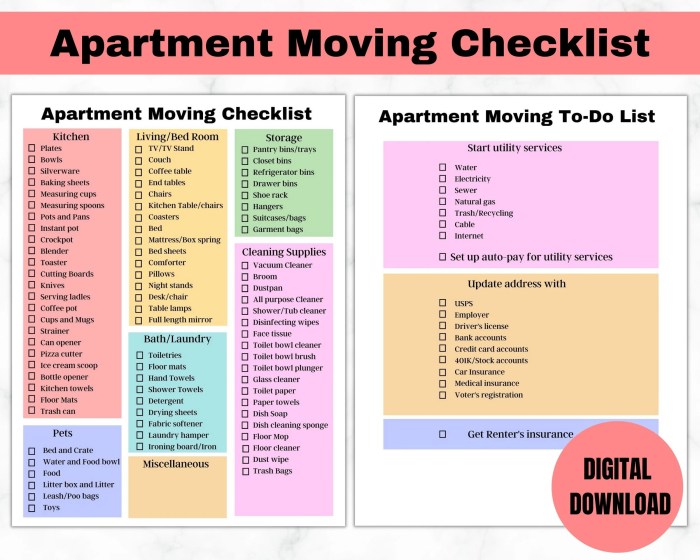
In wrapping up the discussion on the Inaugural Home Improvement Checklist, it's evident that meticulous planning and execution are crucial for a successful renovation. By following the steps Artikeld in this guide, you'll be well-prepared to tackle any home improvement project with ease.
Take the first step towards enhancing your living environment today and embark on a journey of transformation.
FAQ Guide
How important is research before starting a home renovation project?
Research is crucial as it helps you understand the scope of the project, identify potential challenges, and make informed decisions throughout the renovation process.
What safety precautions should I take during a renovation?
Implement safety measures such as wearing protective gear, securing work areas, and following proper handling of tools to minimize risks during the renovation.
How can I find affordable yet quality materials for the renovation?
You can explore options like online marketplaces, local hardware stores, and salvage yards to find affordable yet durable materials for your home improvement project.
Why is post-renovation maintenance important?
Post-renovation maintenance is essential to preserve the quality of the renovation and ensure longevity of the newly renovated areas. Regular upkeep helps prevent costly repairs in the future.